Busy parents juggling work, kids, and the intention to feel better often run into the…
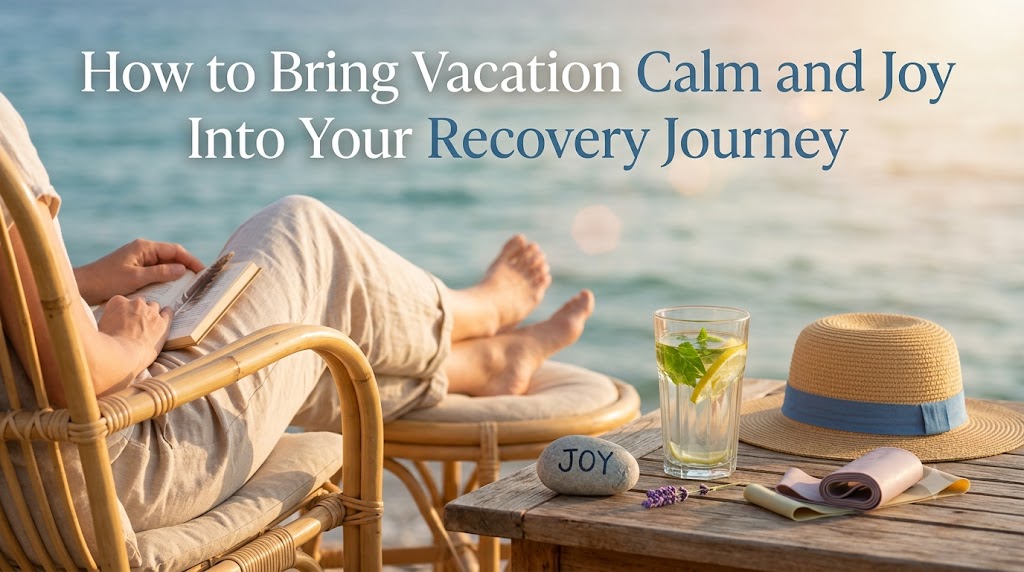
How to Bring Vacation Calm and Joy Into Your Recovery Journey
For accident recovery patients balancing medical appointments, work demands, and family responsibilities, everyday life can feel like a long stretch of effort with very little relief. The core tension is real: the body may be healing, yet mental health challenges after injury, stress, low mood, and a sense of disconnection, can widen the emotional gap in daily recovery. Meanwhile, vacations often deliver vacation-like rest and enjoyment almost by default, which can make regular days feel even flatter in comparison. The goal here is a steadier post-accident lifestyle balance that leaves room for calm and small moments of joy at home.
Why Vacation Feel-Good Energy Hits Differently
Vacations tend to lift your mood because they bring freedom, novelty, and fewer demands. Even a simple change of scenery can make your brain feel more awake and more hopeful, and the positive effects of annual leave often linger longer than we expect.
After an injury, regular days can feel dull by comparison because stress is constant and attention is split. Notifications, schedules, and decision fatigue drain your mental fuel, so the same routines that once felt fine can start to feel heavy.
Think of it like stepping out of a noisy room into fresh air, then walking back inside. The room did not change, but your senses notice the noise more, especially when you are already tired. That is why gentle visualization and peaceful scene-making can recreate a safe mini-escape on tough days.
Build a Mini Mental Getaway with Calming Images and Motion
When your brain craves that vacation “ahhh” feeling, it often helps to give it something soothing and new to land on. One gentle option is creating AI art inspired by peaceful destinations, favorite memories, or dream experiences, think a quiet beach at sunrise, a cozy cabin in snowfall, or the view from a trip you loved. Even a few minutes of imagining and shaping a scene can bring a small sense of creativity, relaxation, and everyday escape into the room you’re already in, especially on days when anxiety feels loud.
If you want to add a little motion, an AI animation generator can quickly turn simple text prompts, rough sketches, or existing images into dynamic 2D and 3D animations, no advanced design skills required. That makes it easier to see your calming idea come to life as a short animated video you can revisit whenever you need a reset; some people start by learning more about how these tools work.
Small Daily Tweaks That Bring Back Rest, Novelty, and Joy
You don’t need a big trip to get that “vacation exhale.” In recovery, tiny, repeatable choices can create real rest, gentle novelty, and a steadier mood, even on low-energy days.
- Schedule two “micro-rest stops” (5 minutes each): Pick two predictable times, after breakfast and mid-afternoon, for example, and set a timer for 5 minutes of doing less. Sit with feet supported, soften your jaw, and let your eyes rest on something calm (a plant, sky, or a still frame from your mini mental getaway scene). This works because your nervous system starts to trust that relief is coming regularly, not only when everything is finished.
- Use a 60-second “arrive in your body” check-in: Once or twice a day, pause and name three things: one sensation (tight shoulder), one emotion (frustrated), and one need (water, quiet, meds, movement). Then do the smallest matching action, two sips of water, one stretch, one text for help. Mindfulness-based interventions show improvements in mental health, and this is a recovery-friendly way to practice without needing a long session.
- Create a “vacation cue” you can turn on fast: Choose one sensory signal, an uplifting playlist, a beachy scent, a textured blanket, a warm drink, and use it only for rest or calm activities. Pair it with your calming image or gentle motion visualization for 2–3 minutes so your brain links that cue with safety and ease. Over time, the cue becomes a shortcut into the calmer state you practiced.
- Add bite-sized novelty with a weekly “new, not hard” menu: Write a short list of low-lift options: a new tea flavor, a different walking route, a library audiobook sample, a new fruit, a new stretching video, a new “sky photo of the day.” Choose one novelty item 3 days a week and keep it under 10 minutes. Novelty wakes up your attention without the energy cost of “doing something big,” which is ideal when symptoms fluctuate.
- Do a “one-surface reset” for visual calm: Pick one small area, nightstand, kitchen counter corner, or your recovery station, and reset only that surface once per day. Put away 5 items or wipe it down for 2 minutes, then stop. A visually calmer spot makes it easier to settle into your mini getaway practice, journaling, or rest without feeling surrounded by unfinished tasks.
- Swap one task for a “supported” version: Choose one daily activity and make it 20% easier: sit to shower, prep ingredients seated, use a timer to break chores into 3-minute bursts, or ask someone to handle the heavy part while you do the light finishing steps. This protects energy for enjoyable moments instead of spending it all on basic survival.
- Plan a “good-enough connection” touchpoint: Isolation can make pain and anxiety louder, so build a small, repeatable social habit: a 10-minute porch chat, a voice note to a friend, or sharing one calming image you made. If your mood has taken a hit after the accident, the reminder to seek early intervention can be a lifesaver, support counts even when you’re “not sure it’s bad enough.”
Recovery Calm and Joy: Common Questions Answered
Q: What if trying “calm” makes my symptoms flare up?
A: Treat that as information, not failure. Shorten the practice to 30 to 60 seconds, choose a lower-sensory option (dim light, quiet, eyes open), and stop while you still feel okay. If flares are frequent or intense, bring the pattern to a clinician for safer tailoring.
Q: How do I do this when I have zero motivation?
A: Make the goal “show up tiny,” not “feel better.” Pick one automatic cue like a warm drink or one song and pair it with one slow breath. Remember that rehab gives hope because it’s built for days when willpower is low.
Q: When anxiety or low mood hits, should I push through or rest?
A: Choose “steady” over “strong.” Rest first for a few minutes, then do one small stabilizer: a sip of water, a text to someone safe, or a brief sit outside. If thoughts feel scary or you feel unsafe, reach out for professional support promptly.
Q: Can I still do this if my energy is extremely limited?
A: Yes, but scale to your capacity. Try a seated comfort setup, one soothing texture, or a 2-minute audio track, then stop. Consistency beats duration when fatigue is high.
Q: Why does this take so long to feel real?
A: Because recovery often moves in seasons, not sprints. For some people, progress can be slow enough that the average time since admission was two years and five months in one mental health setting, which is a reminder to measure change in small, lived markers.
Let One Small Ritual Restore Vacation Calm During Recovery
When healing drags on, it’s easy to feel stuck between needing rest and needing your life to keep moving. The steadier path is the mindset of empowerment through mindfulness: noticing what helps, releasing what doesn’t, and returning, gently, to daily cultivation of rest and joy. Over time, these tiny returns build sustained emotional well-being and make more room for hope during accident recovery, even on the hard days. One small ritual, repeated, can steady your nervous system more than a perfect plan
Experience unparalleled chiropractic care with Dr. Chawla in Danvers, MA—visit Chawla Chiropractic today to start your journey to relief and wellness!
The reason many seek chiropractic care is to prevent, manage, or treat physiological pain and discomfort, especially as it pertains to the neck, back, and spine. While here at Chawla Chiropractic, we are eager to assist in such interventions, we’re just as eager to provide solutions that you can implement outside of your chiropractic appointments, particularly in your office and otherwise.
If you want to learn more about our services, or if you’re eager to book an appointment, feel free to contact us by phone/text at (617) 334-5002, email us at drc@chawlachiropractic.com, or visit us onsite at 435 Newbury St. Suite 208 Danvers, MA 01923.
Sincerely yours,
CHAWLA CHIROPRACTIC – YOUR DANVERS CHIROPRACTOR
**The following blog article was partnered and created by Katherine Williams. You can reach her @ kwilliams@whenthebabysleeps.com and feel free to check out her Website! Featured image was AI Generated by Google Gemini.

Related Posts