
For injured accident victims trying to keep life moving, working adults, caregivers, and anyone managing…
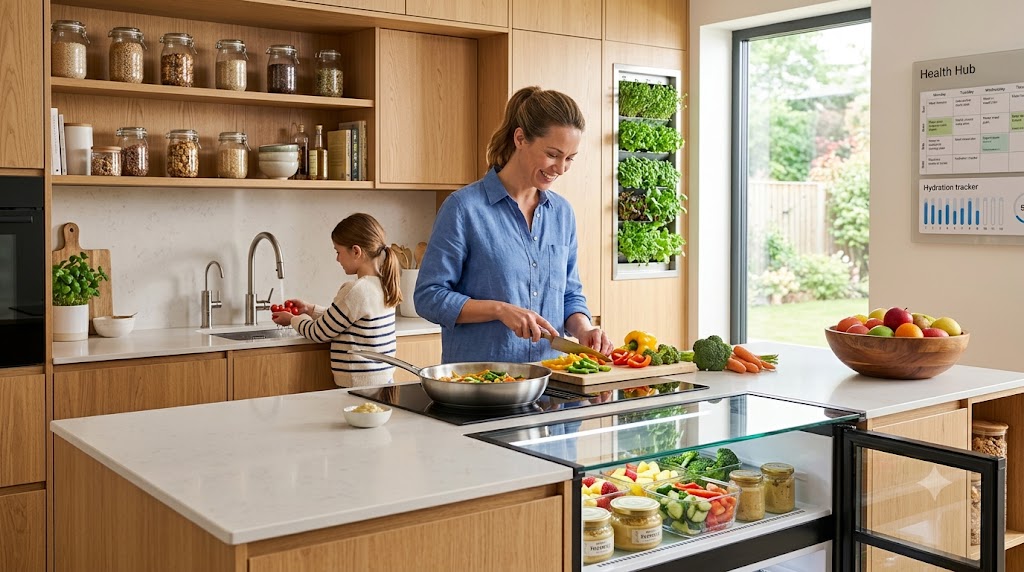
Designing Your Kitchen to Support Healthy Habits and Lasting Wellness
For homeowners planning kitchen renovations, the biggest challenge often isn’t knowing what “healthy” means, it’s getting healthy choices to happen when time is tight and everyone’s hungry. A kitchen can quietly push daily habits in either direction, making takeout and snack-grabbing feel effortless while home cooking feels like work. Healthy kitchen design turns that around by shaping routines so meals and snacks align with long-term nutrition support without relying on constant willpower. When kitchen renovations and health goals are planned together, family wellness through kitchen design becomes the default.
Understanding How Design Shapes Daily Eating
Healthy kitchen design works because the space steers your choices without extra thinking. Layout affects how easy it is to prep and cook, appliances influence what meals feel realistic, and storage determines what you see first when you open a door or drawer. Materials also matter, because the surfaces you use every day should support clean, safe routines.
This matters because small frictions add up on busy weeknights. When healthy tools and ingredients are the easiest to reach, cooking happens more often and impulse snacking drops. Strong storage habits can even reduce waste, especially when one-third of all food produced globally is lost or wasted annually.
Picture a kitchen where the cutting board and knife live beside the sink, the produce is at eye level, and the pan you love is within one reach. Compare that to digging through clutter for a dull knife while chips sit front and center. The first kitchen makes “better” the path of least resistance.
Keep Your Upgrades Working: Plan for Appliance Breakdowns Now
When your kitchen is set up to make healthy choices easier, the next challenge is keeping those tools reliable enough to support your routines. A home warranty can help protect the investment you just made in health-focused upgrades by covering repairs or replacements for essential appliances, the fridge that keeps fresh ingredients safe, the range you rely on for weeknight meals, or the dishwasher that makes cooking at home feel manageable. Instead of a surprise breakdown turning into an unexpected bill (or a stretch of more takeout than you planned), you have a clearer path to getting key equipment back up and running so nutritious cooking stays consistent. If you’re considering options, look closely at what’s included in appliance repair coverage in a home warranty and prioritize plans that also cover removal of defective equipment and breakdowns caused by improper installations or repairs.
Use This Kitchen Plan for Healthier Cooking and Storage
A wellness-friendly kitchen doesn’t have to be fancy, it just needs to make the healthy choice the easy choice. Use this 10-point plan to set up smarter cooking zones, better storage, and materials that support habits you can actually keep.
- Build a “wash–chop–cook” prep runway: Place your main cutting space between the sink and the cooktop, and aim for a clear 24–36 inches of counter you can leave mostly open. Keep knives, board, salad spinner, and a compost bin or bowl in one drawer or pull-out right under that spot. When prep is frictionless, you’ll cook more often, and rely less on takeout.
- Create a healthy “landing zone” at the door: Put a fruit bowl, water bottle spot, and a small tray for lunch items within the first few steps of the kitchen. Add a slim drawer or bin for grab-and-go proteins (nuts, shelf-stable tuna, jerky) so snacks don’t default to chips. This tiny design choice is a big help on busy weeknights.
- Organize the fridge for nutrition, not just space: Give ready-to-eat produce the most visible shelf (eye level) and store leftovers in clear containers on one dedicated “eat first” shelf. Use two bins: one labeled “Wash & Prep” for unwashed produce and one labeled “Ready” for washed, cut items. This supports food preservation by reducing forgotten food and turning produce into quick meals.
- Upgrade storage for food preservation habits: If you can, choose a pantry area with adjustable shelves and space for airtight containers, labels, and a marker. Add a shallow “backup” shelf for healthy staples you’ll rotate (beans, oats, tomato products) so you can see what you have before buying more. A small counter spot near an outlet also supports freezing, cooling, or packaging leftovers without clutter.
- Pick appliances that make healthy cooking the default: Prioritize an induction cooktop or a convection/air-fry-capable oven if it fits your budget and cooking style, both support fast, lower-mess cooking. When shopping, the simplest rule of thumb is to favor energy-efficient kitchen appliances so everyday cooking costs less to run. And because breakdowns happen, keep your warranty info, service contacts, and a small “appliance repair cushion” in the renovation budget so your healthy routines don’t stall.
- Add a “batch-cook and cool” station: Reserve one stretch of counter near the fridge for cooling racks, sheet pans, and portioning containers. The goal is to move cooked food into safe storage quickly and consistently, think soup into shallow containers, rice into single-meal portions, roasted veggies into weekday boxes. This makes weekday lunches almost automatic.
- Choose durable, low-fuss, sustainable materials where hands work hardest: Put your money into the high-touch zones: counters, flooring, and backsplash near the stove and sink. Look for surfaces that tolerate frequent wiping without harsh chemicals, and consider cabinet hardware you can clean with one swipe. When your kitchen is easy to clean, you’re more likely to keep produce prepped and keep cross-contamination risks down.
- Use task lighting to support safe prep and smart storage: Bright, shadow-free under-cabinet lighting helps you chop safely and notice what needs to be used up. If you’re experimenting with advanced preservation tools, research on antimicrobial photodynamic therapy notes blue LEDs can provide better bacteriostatic effects than red LEDs while staying cooler, which matters for temperature-sensitive food areas. Even without specialized systems, good lighting reduces “out of sight, out of mind” waste.
Kitchen Wellness FAQs: Appliances, Upkeep, and Protection
Q: What appliance maintenance matters most for a healthy-cooking routine?
A: Focus on the things that affect safety, airflow, and temperature: clean hood filters, keep fridge door gaskets snug, and descale appliances that heat water. Put repeating tasks on a seasonal reminder so they do not pile up. If it takes under 10 minutes, keep supplies in a single “appliance care” bin.
Q: How can a renovation change appliance care?
A: New layouts can hide shutoff valves and outlets, so label them and snap a photo for your phone. If you add an induction cooktop or convection oven, use cookware and cleaning tools that match the new surface to prevent damage. Keep manuals and model numbers together for quick troubleshooting.
Q: Why do my appliances start acting up right after a remodel?
A: Dust from construction can clog vents and filters, and small leveling changes can affect doors and seals. Do a post-renovation “reset” by vacuuming vents, replacing filters, and rechecking that the fridge and dishwasher sit level.
Q: When should I budget for repairs or protection plans?
A: Build a cushion before you start so repairs do not derail your meal routine. Many remodel checklists suggest setting aside 10–15% for a cosmetic remodel, while 15–20% for a full renovation.
Choose One Kitchen Upgrade to Grow Healthier Habits
It’s easy to want a healthier kitchen and still feel stuck between daily chaos, budget limits, and the worry that upkeep will get complicated. The steady path is a nutrition-supportive kitchen design mindset: make empowered kitchen renovation decisions that reduce friction and support your real routines. When the space works with food prep and cleanup, healthy cooking habits promotion becomes simpler, and long-term kitchen wellness feels more like maintenance than motivation. Design the kitchen you’ll use on a tired Tuesday, not a perfect Sunday.
Experience unparalleled chiropractic care with Dr. Chawla in Danvers, MA—visit Chawla Chiropractic today to start your journey to relief and wellness!
The reason many seek chiropractic care is to prevent, manage, or treat physiological pain and discomfort, especially as it pertains to the neck, back, and spine. While here at Chawla Chiropractic, we are eager to assist in such interventions, we’re just as eager to provide solutions that you can implement outside of your chiropractic appointments, particularly in your office and otherwise.
If you want to learn more about our services, or if you’re eager to book an appointment, feel free to contact us by phone/text at (617) 334-5002, email us at drc@chawlachiropractic.com, or visit us onsite at 435 Newbury St. Suite 208 Danvers, MA 01923.
Sincerely yours,
CHAWLA CHIROPRACTIC – YOUR DANVERS CHIROPRACTOR
**The following blog article was partnered and created by Katherine Williams. You can reach her @ kwilliams@whenthebabysleeps.com and feel free to check out her Website! Featured image was AI Generated by Google Gemini.

Related Posts