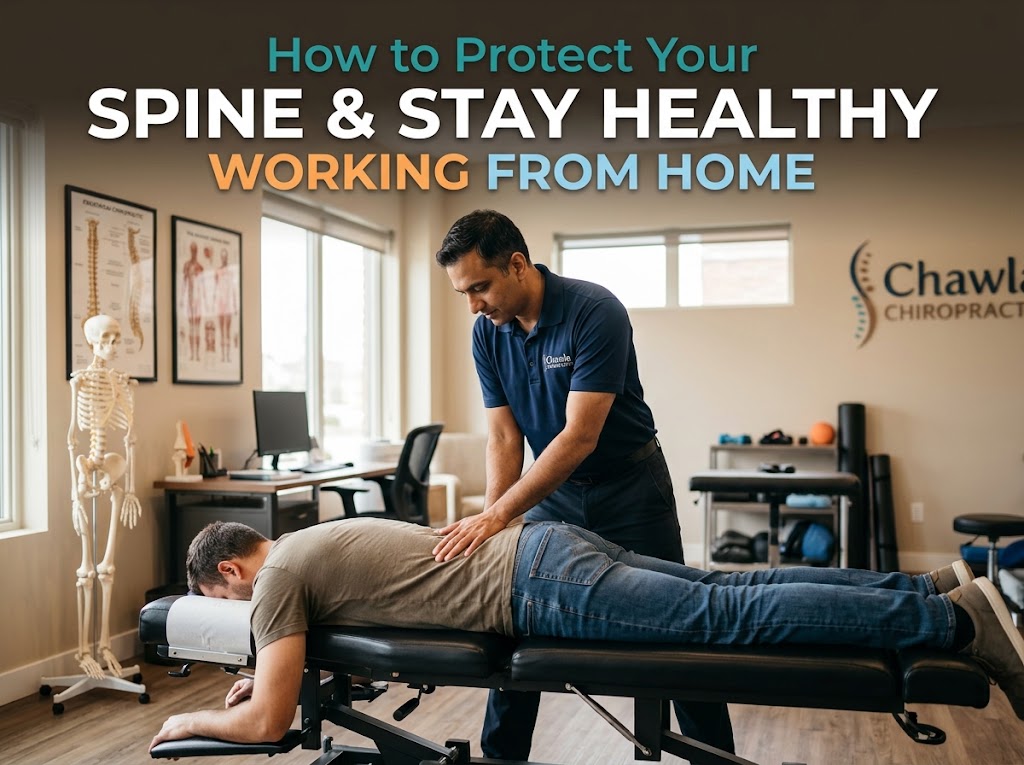
For busy parents, working adults, and caregivers living with chronic pain or other chronic illnesses,…
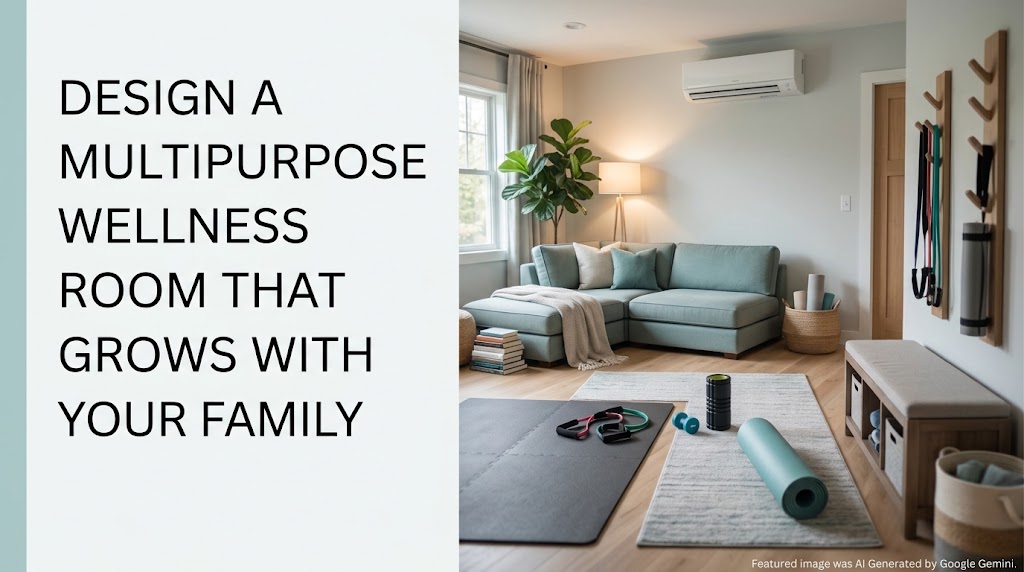
Design a Multipurpose Wellness Room That Grows With Your Family
Busy parents juggling work, kids, and the intention to feel better often run into the same wall: there’s no clear place for it at home. A home fitness space gets shoved into a corner, recovery tools drift across the house, and the “calm room” turns into a storage zone, all fueled by space optimization challenges and everyday clutter. The goal of a family wellness room isn’t perfection; it’s a multiuse room design that respects family lifestyle needs without demanding a bigger house. With the right expectations, clutter management solutions, and a flexible layout, one room can support movement, recovery, and quiet on repeat.
Understanding Flexible Wellness Room Design
Flexible design is what makes one room feel like three, without feeling messy. It relies on simple activity zoning, adaptable layouts, and sensory comfort elements so your brain knows what to do in the space. When those cues are clear, the room supports consistency and a real mental reset.
This matters because routines stick when there’s less setup and fewer decisions. You waste less time shifting furniture or hunting for gear. You also get a faster mood change, from “busy house” to “my body and mind can breathe.”
Picture a corner with a mat and bands for quick workouts, a second spot with a bench and roller for recovery, and one chair with soft light for quiet. Nothing is permanent, but everything has a home and a purpose. The room feels calm because it’s predictable. Comfort also depends on air flow, humidity, and clean filtration during workouts and cooldowns.
Upgrade Airflow and Temperature for Comfortable Movement and Rest
When your room can shift functions smoothly, the next thing that makes it truly usable is how it feels to breathe and move in. Upgrading your HVAC system can make a multipurpose wellness space noticeably more comfortable year-round by improving air circulation and keeping temperatures steady, so a workout doesn’t turn the room stuffy, and a cooldown or quiet stretch doesn’t leave you chilled. Better humidity control also helps the space feel less sticky during movement and more restful when you’re trying to relax. And with effective filtration, you can cut down on allergens and airborne dust, which supports that “clean, calm” feeling you want in a room that’s meant to help you feel better.
If something is worn or underperforming and you need to replace components, it’s worth ordering through reputable suppliers so you get quality parts that are durable and compatible with your system, like these furnace and AC parts. With comfort handled, you can plan the room’s zones and clearances knowing the space will stay pleasant whether you’re moving, recovering, or resting.
Map Your Layout: Zones, Clearances, Storage, Light, and Surfaces
A flexible wellness room works best when it has a “default” setup you can live with daily, then it quickly pivots for workouts, recovery, or quiet time. Think in zones, protect your clear walking paths, and make reset-fast storage your best friend.
-
Start with three zones (Move, Recover, Calm): Sketch your room on paper and label a Move Zone (open floor), a Recover Zone (mat/table/chair), and a Calm Zone (reading/meditation). Keep the Move Zone closest to the best airflow path you improved earlier, near a vent, fan, or operable window, so workouts feel cooler and less stuffy. If zones overlap, that’s fine; just make one “home base” spot for each activity so you’re not reinventing the room every time.
-
Protect your clearances with tape before you buy anything: Use painter’s tape to outline furniture and equipment footprints on the floor for a full week. Aim for a 36-inch main walkway, a 6×8-foot minimum open area for bodyweight work, and 2–3 feet of clearance around larger gear like a bike or rower so you can mount/dismount safely. This small step prevents the classic problem of a room that technically fits everything, but feels stressful to use.
-
Choose “fast-hide” storage for fitness gear (so cleanup takes 2 minutes): Set up one open bin or basket per category: bands/small tools, recovery items, and “sweaty stuff.” Add wall hooks for jump ropes and resistance bands, and a slim vertical corner rack for yoga mats and foam rollers. The goal is clutter-free organization you can do one-handed while supervising dinner or helping with homework.
-
Use flexible furniture that can reconfigure without drama: Pick one anchor piece that’s easy to shift, like a bench with storage or seating that splits into sections. Many people find modular sofas helpful because you can reconfigure seating for relaxation, then slide pieces aside to reopen the floor for movement. If you can’t lift it easily, it’s not “flexible” in real life.
-
Layer your lighting for energy and for downshifting: Plan three layers: bright overhead light for workouts, softer lamp/sconce light for relaxing, and a focused task light for stretching, journaling, or reading. Put at least two layers on separate switches or dimmers so you can change the mood in seconds. Many homeowners also like LEDs since LED lighting upgrades can cut lighting energy use, which helps when this room’s lights are on a lot.
-
Pick surfaces that tolerate sweat, calm time, and constant resets: For floors, prioritize slip resistance, easy cleaning, and comfort, think sealed hard flooring with a large washable rug, or rubber in the Move Zone with a softer layer in the Calm Zone. For walls, choose wipeable paint and add a “touch zone” panel behind gear where scuffs happen. This keeps the room feeling fresh even when airflow, humidity, and workout frequency fluctuate.
Wellness Room Remodeling Questions, Answered
Q: How can I make a wellness room work in a small space?
A: Choose one “home base” layout that feels calm day to day, then rely on foldable or wall-hung gear to change modes fast. A slim shelf, a lidded bin, and a couple of hooks often create a more usable floor than another piece of furniture. If it can’t be put away in two minutes, it will probably become cluttered.
Q: What’s the best way to reduce workout noise for the rest of the house?
A: Start with the floor: a thick rubber mat under cardio gear plus a washable top mat cuts impact and vibration. Add a door sweep or weatherstripping to limit sound leaks, and keep speakers on a soft surface instead of a hard shelf.
Q: How do I keep the room from feeling stuffy or too hot during exercise?
A: Prioritize air movement before buying more equipment: a quiet fan aimed across the open area helps sweat evaporate faster. If the room runs cold during recovery, keep a throw blanket and warm socks in a basket so comfort is instant.
Q: How should I set up lighting that works for both workouts and wind-down time?
A: Aim for flexibility, not perfection. Putting each layer on a separate switch or smart control lets you flip from bright and energizing to soft and soothing without rearranging the room.
Q: What maintenance keeps a wellness room clean without adding another chore?
A: Make cleanup part of the design: keep disinfecting wipes, a small hamper, and a microfiber mop within reach. Wipe down touch points after sweaty sessions, and do a five-minute reset once a week so the space stays inviting.
Build a Wellness Room Routine With Small, Comfortable Upgrades
It’s easy to get stuck between wanting a beautiful wellness room and needing a space that actually gets used on real-life days. The most sustainable wellness room remodeling motivation comes from realistic home improvement planning, prioritizing comfort and flexibility, then choosing starting small remodel projects that remove friction. When that mindset leads, the room becomes a dependable place for movement, recovery, or quiet, and consistency in home wellness starts to feel normal instead of forced. Consistency grows from comfort, not perfection.
Experience unparalleled chiropractic care with Dr. Chawla in Danvers, MA—visit Chawla Chiropractic today to start your journey to relief and wellness!
The reason many seek chiropractic care is to prevent, manage, or treat physiological pain and discomfort, especially as it pertains to the neck, back, and spine. While here at Chawla Chiropractic, we are eager to assist in such interventions, we’re just as eager to provide solutions that you can implement outside of your chiropractic appointments, particularly in your office and otherwise.
If you want to learn more about our services, or if you’re eager to book an appointment, feel free to contact us by phone/text at (617) 334-5002, email us at drc@chawlachiropractic.com, or visit us onsite at 435 Newbury St. Suite 208 Danvers, MA 01923.
Sincerely yours,
CHAWLA CHIROPRACTIC – YOUR DANVERS CHIROPRACTOR
**The following blog article was partnered and created by Katherine Williams. You can reach her @ kwilliams@whenthebabysleeps.com and feel free to check out her Website! Featured image was AI Generated by Google Gemini.

Related Posts