Busy parents juggling work, kids, and the intention to feel better often run into the…

Practical Ways to Improve Well-Being and Stay Motivated Every Day
Busy parents juggling work, family, and everyone else’s needs often feel the push-pull between wanting to look and feel their best and struggling to find the energy to follow through. When daily life runs on deadlines and leftovers, well-being can start to feel like a moving target, part physical, part mental, part emotional, and motivation gets tangled up in guilt. The real goal isn’t perfection; it’s building a steady sense of feeling like oneself again, rooted in what matters most. With the right focus, daily well-being improvement can feel doable and personal.
What Well-Being Really Means
Well-being is not just feeling happy or hitting a fitness goal. It is an integrated picture that includes your body’s basics, your mental health, and your emotional steadiness, so you know what you are aiming for. The CDC’s definition of well-being includes positive emotions, fewer negative emotions, life satisfaction, and functioning day to day.
Think of it like a three-legged stool. Food, movement, and rest are one leg; mindset is another; connection and feelings are the third. If one leg wobbles, you do not scrap the stool, you steady the leg that needs attention. Stories from real days can turn that target into motivation you can borrow when energy is low.
Use Success Stories to Fuel Your Next Small Habit
Once you know well-being is bigger than a single “healthy choice,” it helps to have something that keeps you moving on the days your motivation runs low. Listening to inspiring podcasts can be that steady nudge: a quick dose of motivation paired with practical mindset shifts that help you stay focused, positive, and emotionally balanced as your day unfolds. Hearing real people talk through challenges, and how they kept going, can make your own next small habit feel more doable, because you’re borrowing perspective in the moment you need it.
One simple example is tuning in to an alumni podcast that shares encouraging stories and down-to-earth insights from alumni who transformed their lives through learning. Their experiences can offer both motivation and useful advice if you’re considering your own path to success; if you want a closer look at what the show covers, you can check out the details.
Build Your Feel-Good Routine With Pick-and-Choose Moves
Pick a few moves that match your season of life, then build from there. Think “small wins you can repeat,” the same way other people’s success stories show you what’s realistic on tired, busy days.
- Start with a 10-minute movement “minimum”: Choose one simple option you can do even when motivation is low, brisk walk, stairs, stretching, or a short strength circuit. The win is consistency: regular movement boosts mood, energy, and sleep, and it reminds your brain “I’m the kind of person who takes care of myself.” Keep it easy to launch: shoes by the door, playlist ready, timer set.
- Add one strength move to everyday moments: Strength doesn’t have to mean a full workout. Do squats while your coffee brews, wall push-ups during a screen break, or a 30-second plank before you shower. Start with 1 set, 3 days a week, and only increase after it feels routine, this is how you stack small habits into real exercise benefits without burning out.
- Use a “close the stress loop” self-care reset: Once a day, do a 3–5 minute downshift, slow breathing (inhale 4, exhale 6), a quick stretch, or a short walk outside. This isn’t indulgent; it’s nervous-system maintenance, especially if you’re parenting, caregiving, or juggling deadlines. Try pairing it with a daily cue like after school pickup or right after your last meeting.
- Make protein the anchor of one meal: Pick one meal a day to “build around protein,” then add fiber and color. People are already using creative ways to increase protein intake like yogurt bowls, protein coffee, or a quick cottage-cheese-based snack; you can keep it simple with eggs, beans, canned fish, tofu, or leftover chicken. This choice steadies energy and helps curb the snack spiral that hits when you’re running on fumes.
- Upgrade one snack with the “add, don’t subtract” rule: Instead of banning foods, add something that supports you: fruit plus nuts, crackers plus hummus, or popcorn plus a cheese stick. The goal is fewer energy crashes and more satisfaction, not perfection. If you tend to grab whatever’s closest, pre-portion two grab-and-go options tonight for tomorrow-you.
- Schedule a hobby like it’s a tiny appointment: Block 15–20 minutes, 2–3 times a week, for something that feels like you, not chores: drawing, gardening, music, puzzles, or learning a skill. Many hobbies can relieve stress, anxiety, emotional relief, which makes them a surprisingly powerful wellness tool. If you’re short on time, choose a “portable” hobby you can do in the carpool line or while dinner cooks.
- Practice a two-sentence mindset shift for positivity: When you miss a day, swap “I blew it” for “I’m gathering data.” Say: “That didn’t happen today because _____. Tomorrow I’ll make it easier by _____.” This is how the success-story mindset works in real life, you keep the identity (“I’m building well-being”) even when the schedule gets messy, and you adjust the plan instead of quitting.
Well-Being Questions People Ask Most
Q: What if I’m too tired to start anything new?
A: Start with the smallest version that still counts, like 5 minutes of stretching or a short walk to the mailbox. Put the “start” on autopilot by choosing a time cue (after brushing your teeth, after work login). Energy often follows action, not the other way around.
Q: How do I stay consistent when my week is unpredictable?
A: Build a menu of two or three options at different effort levels (easy, medium, higher). On chaotic days, do the easy option and stop, because keeping the streak matters more than intensity. Track it with a simple check mark so you can see proof you are showing up.
Q: Can I still make progress if I miss days?
A: Yes. Use a quick reset rule: never miss twice if you can help it, and restart with your easiest habit. The goal is a pattern of returning, not a perfect record.
Q: What if “mindfulness” feels too vague or time-consuming?
A: Think of Mindfulness, being present in the moment while you do one ordinary thing, like showering or eating lunch, without scrolling. Set a 60-second timer and simply notice your breath and body. One minute done well is more useful than 20 minutes you dread.
Q: Should self-care wait until life calms down?
A: No, because stress is exactly when you need support. The skill is to be intentional with tiny choices, like a short outside break or protein at breakfast. Pick one repeatable action that protects your mood.
Make Daily Well-Being Routines Stick With One Small Choice
It’s easy to know what supports well-being and still feel stuck when life gets busy, motivation dips, or progress looks messy. The way through is a calm, flexible mindset: use long-term wellness strategies as rhythms to return to, backed by personal well-being reflection and an ongoing commitment to health instead of all-or-nothing bursts. Over time, that approach builds sustained well-being motivation, because small wins become familiar and doable. Consistency is the quiet skill that keeps self-care real.
Experience unparalleled chiropractic care with Dr. Chawla in Danvers, MA—visit Chawla Chiropractic today to start your journey to relief and wellness!
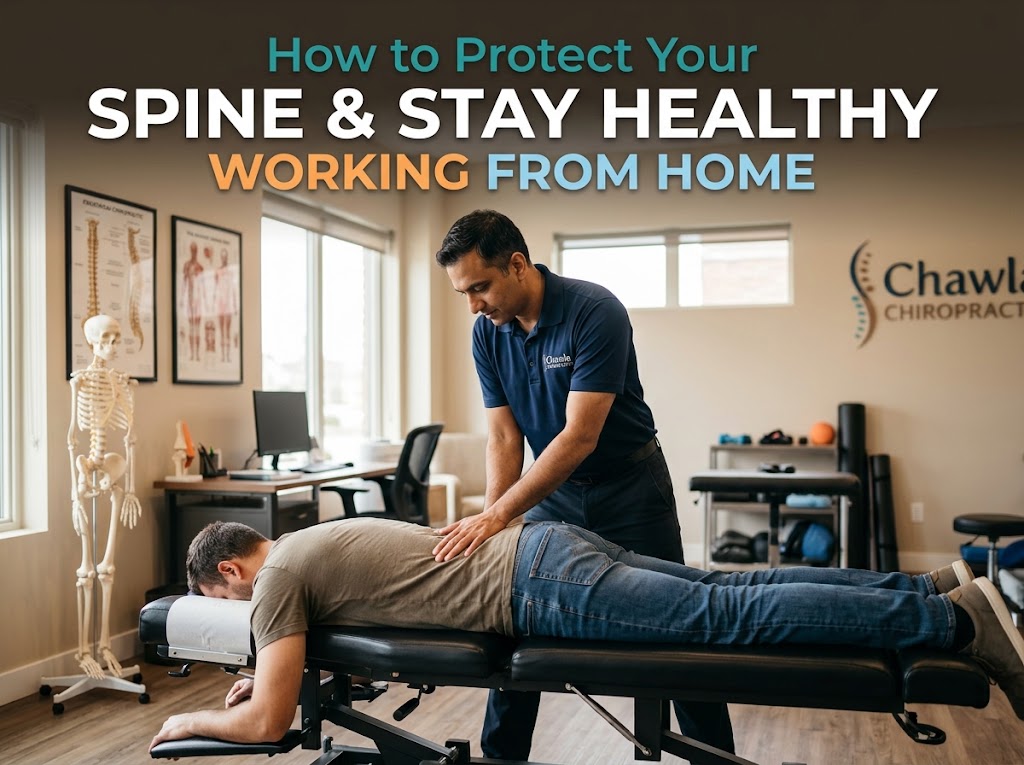
The reason many seek chiropractic care is to prevent, manage, or treat physiological pain and discomfort, especially as it pertains to the neck, back, and spine. While here at Chawla Chiropractic, we are eager to assist in such interventions, we’re just as eager to provide solutions that you can implement outside of your chiropractic appointments, particularly in your office and otherwise.
If you want to learn more about our services, or if you’re eager to book an appointment, feel free to contact us by phone/text at (617) 334-5002, email us at drc@chawlachiropractic.com, or visit us onsite at 435 Newbury St. Suite 208 Danvers, MA 01923.
Sincerely yours,
CHAWLA CHIROPRACTIC – YOUR DANVERS CHIROPRACTOR
**The following blog article was partnered and created by Katherine Williams. You can reach her @ kwilliams@whenthebabysleeps.com and feel free to check out her Website! Featured image was AI Generated by Google Gemini.

Related Posts