Busy parents juggling work, kids, and the intention to feel better often run into the…
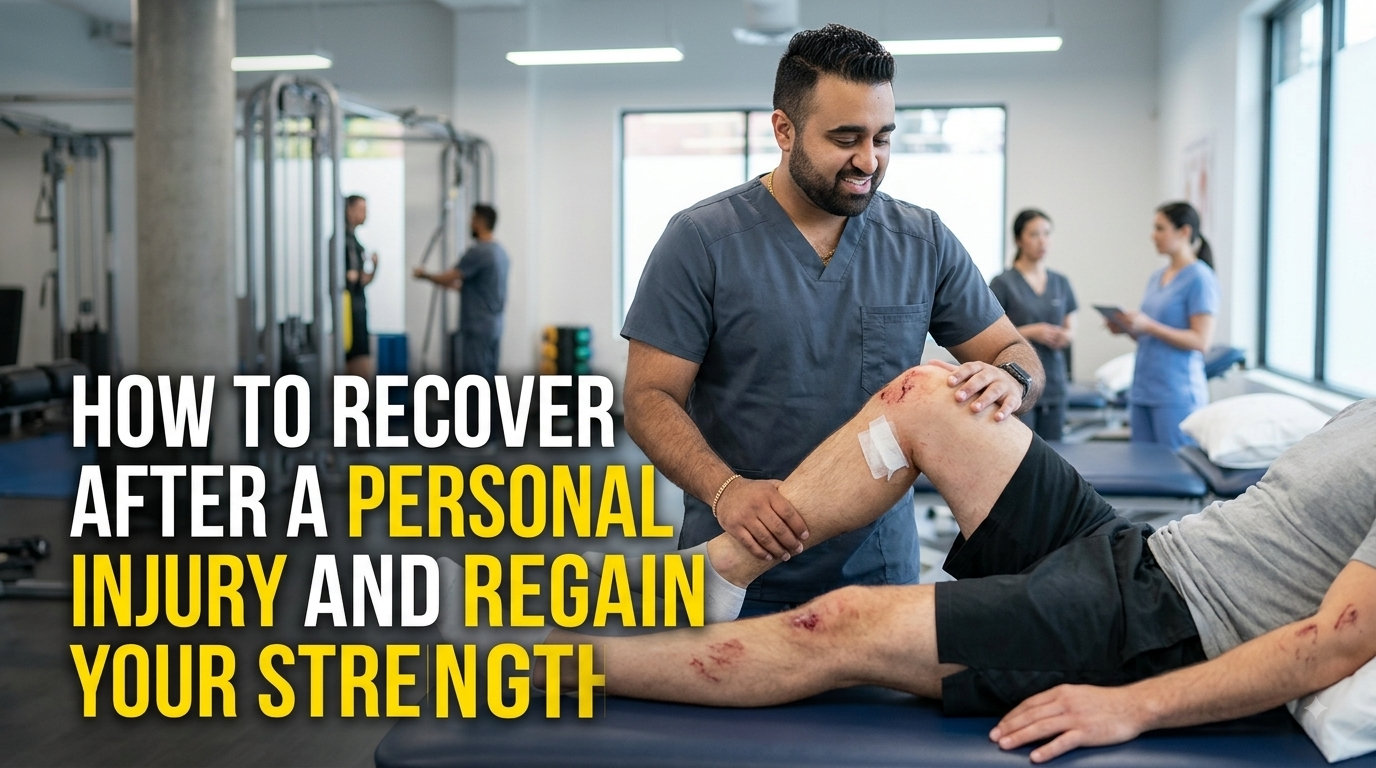
How to Recover After a Personal Injury and Regain Your Strength
For injured accident victims trying to keep life moving, working adults, caregivers, and anyone managing a household, personal injury recovery can feel like a full-time job. The accident injury challenges are real: pain that changes by the hour, fear about what comes next, and the sudden disruption of routines, income, and independence. Without a clear, supportive recovery plan, even basic decisions can feel heavy and isolating. With the right structure and support, physical and emotional healing becomes more manageable.
Build a Recovery Roadmap You Can Follow
This step-by-step injury recovery roadmap helps you coordinate medical care, emotional support, day-to-day help, and return-to-work preparation so you are not making decisions on the fly. It matters because clear next actions protect your energy, reduce setbacks, and help your household keep functioning while you heal.
- Lock in your medical follow-ups and instructions
Start with your discharge notes or urgent care summary, then write down your diagnosis, medication schedule, movement limits, and red-flag symptoms in plain language. Confirm your next appointment before you leave care or as soon as you get home, since the first 72 hours at home can be a critical window for preventing complications. If anything is unclear, call and ask for a simplified plan you can actually follow. - Set up one simple rehab routine you can repeat
Choose a daily time for exercises, walking, icing, or other prescribed activities and tie it to something you already do, like breakfast or a TV show. Keep a quick log of pain, swelling, sleep, and what you did so your provider can adjust the plan based on patterns, not guesswork. Consistency matters because patient adherence is strongly linked to better rehabilitation progress. - Build an emotional support plan for the hard days
Pick two people you can text when pain spikes or you feel overwhelmed, and tell them exactly what helps, such as a check-in call, a ride, or sitting with you during an appointment. If anxiety, irritability, or low mood lasts more than a couple of weeks or disrupts sleep, ask your doctor for a referral to counseling or trauma-informed support. Treat emotional recovery like physical recovery: it improves faster with the right help. - Arrange daily living assistance before you are stuck
Make a list of tasks that currently cost you the most pain or fatigue, like laundry, driving, lifting kids, shopping, or bathing, then assign each to a person, service, or workaround. Accept short-term supports such as meal trains, grocery delivery, mobility aids, and medication reminders so you can spend your limited energy on healing. Review the plan every few days and adjust as your abilities change. - Prepare for returning to work with clear boundaries
Ask your clinician for written restrictions and a realistic timeline, then share only what your employer needs to plan duties safely. Request a gradual return, modified tasks, or reduced hours if symptoms flare with sitting, standing, lifting, or commuting. Keep a folder with appointment notes, work notes, and symptom logs so you can advocate for yourself without scrambling.
Handle a Workplace Injury: Report, Document, Protect Your Benefits
Once you’ve got a recovery plan in place, it helps to know what changes when the injury happened on the job. If you’re hurt at work, notify the right person right away (your supervisor or HR) and follow your workplace’s injury reporting process so there’s an official record. Get medical care and keep strong documentation, save any paperwork, note dates, and make sure your symptoms and limitations are clearly recorded. For a clear walkthrough of the steps you need to take to protect your workers’ comp claim and work injury rights, use that resource to guide what to do next. And follow your doctor’s instructions exactly as given, missing appointments or ignoring restrictions can put part, or even all, of your workers’ compensation benefits at risk.
Personal Injury Recovery Questions People Ask Most
Q: What if my recovery feels slower than everyone says it should be?
A: Healing is rarely a straight line, and setbacks can be part of rebuilding strength. Keep a simple weekly log of pain, sleep, mobility, and mood so you and your clinician can spot patterns. If you are plateauing, ask whether your rehab plan needs a tweak, not just more willpower.
Q: How can I handle fear, irritability, or feeling “not like myself”?
A: Those reactions are common after an injury, especially when your routine and independence change. Practicing grounding techniques can help you stay present during flare ups and reduce overwhelm. If symptoms last more than a couple weeks or affect relationships, consider counseling.
Q: Can I still get compensation without going to court?
A: Often, yes. Many 97% of all personal injury cases are settled before a trial verdict, so negotiating a fair outcome is common. Save receipts, appointment notes, and how the injury limits daily life to support your claim.
Q: Should I push through pain to rebuild strength faster?
A: Pushing through sharp or worsening pain can slow progress and raise reinjury risk. Use the “green, yellow, red” approach: mild soreness is usually okay, increasing pain means scale back, and new numbness or swelling means stop and get checked. Ask your therapist for clear activity boundaries you can follow at home.
Small Habits That Keep Recovery Moving
Recovery gets easier to trust when your days have a few simple defaults you can repeat. These habits help you rebuild strength gradually, stay consistent with rehab, and protect your mood when motivation dips.
Two-Minute Rehab Setup
- What it is: Lay out bands, shoes, and a timer so exercises start friction-free.
- How often: Daily
- Why it helps: It boosts follow-through when energy is low or pain is distracting.
Three-Point Home Exercise Check
- What it is: Track self-reported adherence with checkmarks for done, modified, or skipped.
- How often: Daily
- Why it helps: It shows patterns you can problem-solve, not judge.
Comfort-First Strength Snack
- What it is: Do one safe mini-set like sit-to-stands or heel raises.
- How often: 3 times weekly
- Why it helps: Small doses rebuild confidence without overloading healing tissue.
Ten-Minute Wind-Down Routine
- What it is: Dim lights, stretch gently, and write one worry and one win.
- How often: Nightly
- Why it helps: Emotional wellness or well-being supports steadier sleep and calmer decisions.
Weekly Help Ask
- What it is: Choose one task to delegate, from rides to meals to paperwork.
- How often: Weekly
- Why it helps: It saves energy for therapy, rest, and family time.
Build Strength Back With One Steady Recovery Commitment
Recovery after a personal injury can feel slow and unpredictable, especially when pain, fatigue, and emotions change from day to day. The way through is a supportive healing mindset built on small, repeatable habits, patience, positivity, steady therapy follow-through, and reaching out when support is needed, so encouragement in recovery is available even on hard days. With that approach, motivation for healing stops depending on perfect weeks, and progress becomes something that can be counted on over time, supporting long-term recovery success and a positive recovery outlook. Small, consistent steps are how strength returns after injury.
Experience unparalleled chiropractic care with Dr. Chawla in Danvers, MA—visit Chawla Chiropractic today to start your journey to relief and wellness!
The reason many seek chiropractic care is to prevent, manage, or treat physiological pain and discomfort, especially as it pertains to the neck, back, and spine. While here at Chawla Chiropractic, we are eager to assist in such interventions, we’re just as eager to provide solutions that you can implement outside of your chiropractic appointments, particularly in your office and otherwise.
If you want to learn more about our services, or if you’re eager to book an appointment, feel free to contact us by phone/text at (617) 334-5002, email us at drc@chawlachiropractic.com, or visit us onsite at 435 Newbury St. Suite 208 Danvers, MA 01923.
Sincerely yours,
CHAWLA CHIROPRACTIC – YOUR DANVERS CHIROPRACTOR
**The following blog article was partnered and created by Katherine Williams. You can reach her @ kwilliams@whenthebabysleeps.com and feel free to check out her Website! Featured image was AI Generated by Google Gemini.

Related Posts